




Zero Interest Installment Plan: How It Works at myhalo
Your laptop has been limping for months, your phone battery drops too fast, and the replacement you want sits around the corner with a price tag that feels just a little too high for one payment. In Singapore, that tension is common, because the device you need for work, study, or family life often arrives at the same time as rent, transport, and everything else on the monthly list. A zero interest installment plan can bridge that gap, but only if you understand what you're signing up for and how the numbers work.
Table of Contents
- Why a Zero Interest Installment Plan Matters in Singapore
- Understanding the Core Concept of a Zero Interest Installment Plan
- The Checkout Process: A Step-by-Step Mechanical View
- Zero Interest Instalments Versus Other Ways to Pay
- Three Real Shopping Examples With Real Numbers
- How to Apply for a Zero Interest Installment Plan at myhalo
- Pros, Cons and Consumer Safeguards in Singapore
- Frequent Questions Before You Check Out
Why a Zero Interest Installment Plan Matters in Singapore
A Singapore shopper looking at a S$1,200 laptop is usually not chasing a luxury item. The question is more practical, can that laptop keep work moving, support classes, or handle a side business without taking a big bite out of this month's cash? A zero interest installment plan changes one large payment into a set of planned monthly payments, which makes the purchase easier to match with everyday cash flow.
That matters in Singapore because many people already use flexible payment options for ordinary purchases, especially online. A 2023 MAS-backed consumer survey found about 30% of Singapore respondents had used BNPL, with use concentrated among younger adults and online shoppers, and it was commonly used for purchases in the S$50–S$500 range, according to a Singapore-focused review of the evidence from MAS framing and consumer research Chicago Booth Review.
For myhalo, the point goes beyond convenience. Many device purchases sit in the range where monthly payments feel manageable, not excessive. A phone, tablet, or laptop often has a clear role, a known working life, and a replacement cycle that shoppers can plan around. A zero-interest option can therefore help more people access mid-ticket devices, especially when it sits alongside transparent grading, battery health disclosure, and a device lifecycle model built around repair, reuse, Certified ReLoved devices, Certified Surplus products, and responsible recycling.
That model matters because a good device should keep serving someone instead of being treated as a one-time purchase with no second life. A zero interest installment plan can fit that approach by letting shoppers choose a quality device now, then pay it off in pieces without adding finance charges, so access to better tech does not have to mean taking on unnecessary cost.
Understanding the Core Concept of a Zero Interest Installment Plan
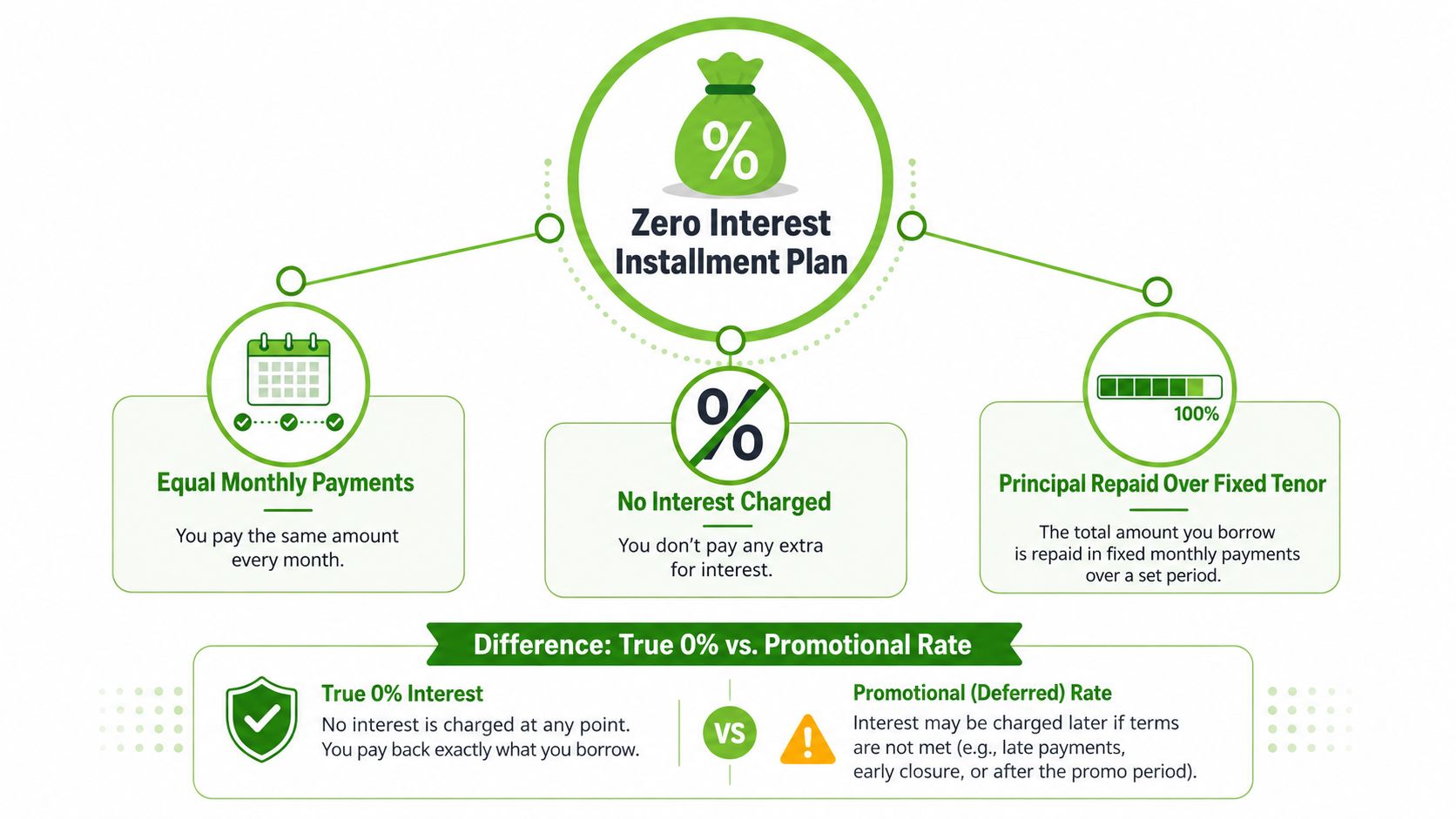
A zero interest installment plan is simple once the parts are named clearly. You buy the device now, then repay the principal in equal monthly amounts over a fixed period called the tenor. If the plan is zero interest, the lender does not add interest to those scheduled payments.
The clean mental model
The easiest way to understand it is to picture a fixed bill split into smaller pieces. The total amount does not grow as long as you follow the payment schedule. You still owe the full purchase price, just not all at once. That is why the plan can ease monthly cash flow without being a discount or a free device.
The detail that often confuses shoppers is that not every “0%” offer works the same way. Some offers use a merchant-funded discount structure, where the retailer absorbs or offsets the financing cost so the shopper sees 0% on the surface. Industry explanations of no-cost EMI show that the lender may still charge interest while the retailer offsets it with an upfront discount, so the buyer only experiences true zero-cost financing if the schedule is paid on time and no extra fees apply Razorpay no-cost EMI guide and Finnable's explanation of no-cost EMI.
That is why the fine print matters. A true zero-interest plan keeps the finance charge at zero. A promotional plan can still become expensive if fees, penalties, or a deferred-interest structure come into play. The CFPB explains that a deferred-interest offer can charge interest retroactively if the balance is not paid in full within the promotional period, or if a minimum payment is more than 60 days late before that period ends CFPB deferred-interest explanation.
Practical rule: If the offer says “no interest” but the wording mentions promotional periods, missed payments, or retroactive charges, treat it as a financing product, not a simple discount.
For readers who want a broader consumer explanation of split payments in day-to-day life, how BNPL works for gig workers is a useful reference point because it shows how instalments fit variable cash flow without assuming everyone gets paid on the same schedule.
For myhalo, this matters because the payment plan is tied to a device lifecycle model, not just a checkout shortcut. A shopper choosing a Certified ReLoved phone, a warranty-backed tablet, or a trade-in replacement can spread the cost over time while still buying a device that has already been checked, graded, and prepared for reuse. That keeps the focus on access to usable tech, not on piling extra finance charges onto an already planned purchase.
The Checkout Process: A Step-by-Step Mechanical View
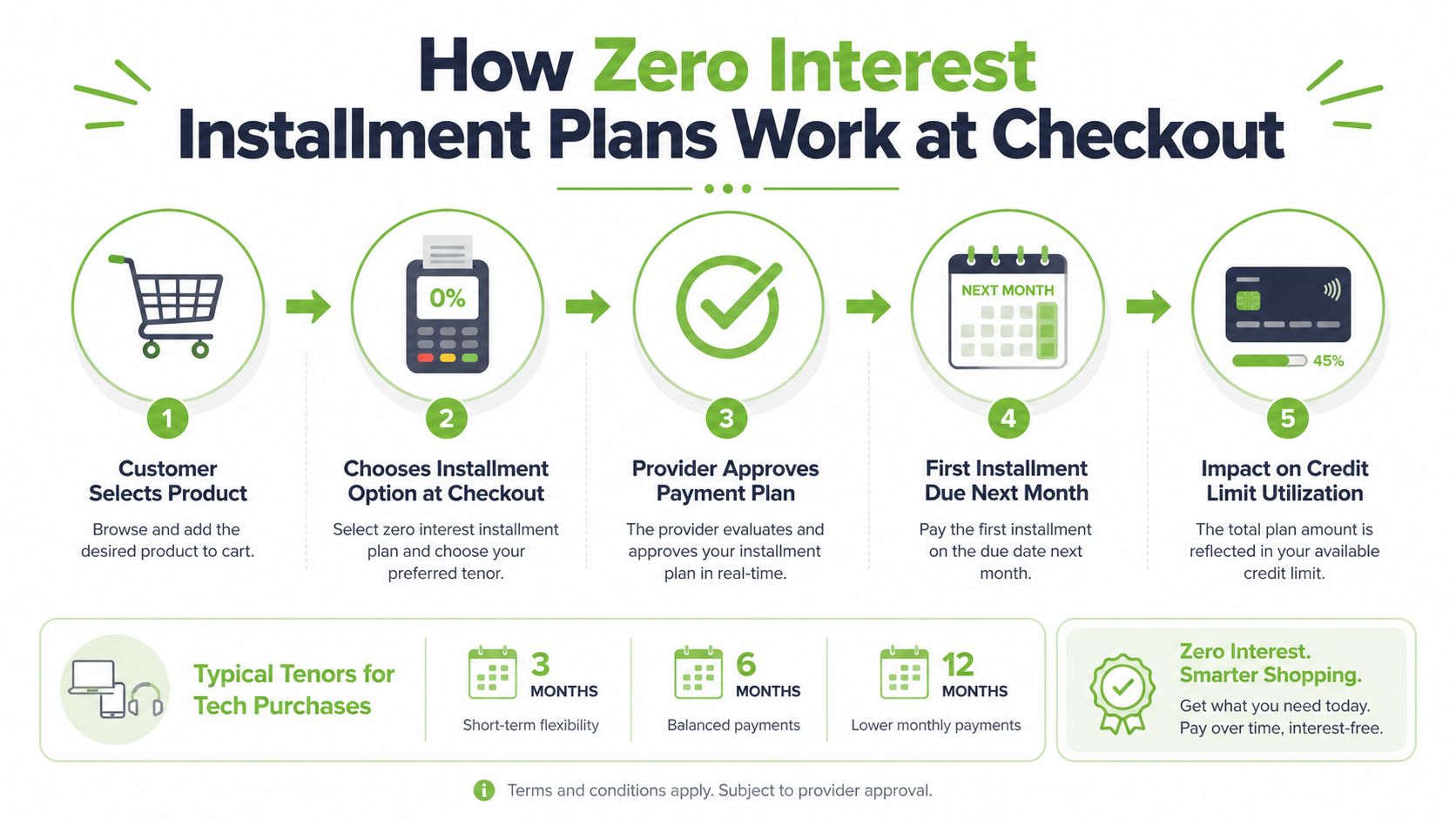
At checkout, the process can feel simple, but the moving parts underneath matter. A card-based or fintech split-payment plan sets a fixed repayment schedule, and the first instalment is usually due the following month, not on the day you buy. In bank card programmes, the plan may remain available only while the card is not over-limit, delinquent, or suspended, and missed payments can lead to cancellation and late fees CIB's credit card instalment terms.
What happens to your credit limit
The full purchase amount usually uses up available credit limit right away, even though you are repaying it in parts. A S$1,200 laptop can take away room for groceries, subscriptions, or emergency spending if your card limit is already tight. The practical check is simple. Make sure the remaining limit still leaves breathing room for normal charges.
A 0% headline rate does not remove repayment pressure. The risk often sits in the payment schedule, not the sticker. If a plan includes late fees, processing charges, or terms that turn a promotional offer into retroactive interest, a missed payment can change the cost quickly.
For Singapore shoppers buying smartphones, tablets, laptops, or wearables, the key question is whether the monthly amount fits beside ordinary bills. If it does not, a plan that looks interest-free on paper can still strain cash flow through fees or penalties.
For a retail example, the myhalo plan for mobiles and tablets shows how instalment checkout can be presented during a device purchase. A buyer still needs to look at the repayment period, the due date, and how much card room remains before confirming. That matters even more if the purchase is tied to a Certified ReLoved phone, a warranty-backed tablet, or a trade-in replacement, because the goal is to spread the cost of a device that has already been checked, graded, and prepared for reuse, not to turn a planned upgrade into a burden.
Zero Interest Instalments Versus Other Ways to Pay
A shopper choosing a new phone, laptop, or tablet often sees more than one way to pay at checkout. The choice is not only about the sticker price. It also depends on how much cash needs to stay available for bills, how quickly the approval happens, and whether the item is meant to be kept for the long haul, such as a Certified ReLoved device, a warranty-backed upgrade, or a trade-in replacement in myhalo's lifecycle model.
Side-by-side comparison
| Option | Total Cost | Approval Speed | Risk if Missed |
|---|---|---|---|
| Pay in full | Lowest if you already have cash | Immediate | No instalment risk, but you lose liquidity |
| Zero interest installment plan | Stays at the purchase price if paid on schedule | Often fast at checkout | Late fees, cancellation, or penalty costs if you slip |
| Deferred-interest card offer | Can rise if the promotional balance is not cleared on time | Fast if you already have the card | Interest may be charged back if the offer terms are not met |
| Personal instalment loan | Usually includes finance cost | Slower, with more checks | Fixed repayment stress, but no card-limit pressure |
The clearest reason to choose zero-interest instalments is predictable cash flow. You spread the cost into monthly payments without handing over the full amount at once, so the purchase is easier to fit beside rent, transport, groceries, and other regular spending. The trade-off is that the card limit is used up right away, so the option feels less forgiving if that same card already carries day-to-day expenses.
That is why some readers compare instalment checkout with use existing credit for installments. That model still turns the purchase into monthly payments, but it sits on top of an existing credit line instead of working like a separate cash loan. The difference matters because the shopper sees instalments at checkout, while the underlying credit arrangement still does the heavy lifting behind the scenes.
The return policy also changes the decision. Paying everything upfront keeps the debt side simple, but it ties up more cash on day one. A loan can spread the cost as well, yet it usually brings its own finance charges and checks. A zero-interest plan often sits in the middle, which is why it suits a device you expect to keep using, especially when the product has warranty cover and a clear reuse path.
For a local retail example, the Courts installment plan overview shows how instalment checkout is presented on a Singapore tech site without changing the basic rule. Choose the method that leaves your monthly budget safest and still matches how long you plan to keep the device.
Three Real Shopping Examples With Real Numbers
The easiest way to understand instalments is to run actual baskets through them. The maths is simple, but the budget impact feels very different depending on whether you're a student, an SME owner, or a family replacing a phone.
A student buying a Certified ReLoved tablet
A S$500 tablet paid over 10 months comes out to S$50 a month. That can be easier to handle than a single large payment, especially if the tablet is for class notes, video calls, and assignment work. The key benefit is that the student keeps the rest of the month's cash available for transport, meals, and data plans.
An SME equipping a new laptop
A S$1,200 laptop paid over 12 months works out to S$100 a month. For a small business owner, that may be easier to budget around than one large capital outlay, especially if the device is needed for sales, admin, or invoicing. The business keeps more liquidity for day-to-day operations while still getting a warranty-backed machine.
A good instalment plan should feel boring in your budget. If the monthly figure makes you pause, the purchase is probably too tight.
A household upgrading a flagship phone
An S$1,800 appliance upgrade in 18 months at S$100 a month shows how a longer tenor can keep the payment steady. That said, a longer plan also keeps the commitment alive for longer, so it suits a device you expect to use for years, not one you might replace again soon.

How to Apply for a Zero Interest Installment Plan at myhalo
The checkout flow should feel familiar, but the details still matter. A shopper starts by selecting a device on shop.myhalo.com.sg, then checks whether the product carries a 0% instalment option before moving to payment. If the badge is there, the next step is to confirm the tenor and make sure the monthly amount fits the budget.
What to prepare before checkout
The documents requested will depend on the payment provider, but Singapore residents should expect an identity check and a review of basic eligibility. That usually means being ready with your identification details, contact information, and any information the provider asks for during approval. A clear guide to instalment-style phone purchases is also available in the local installment plan for iPhone article, which helps readers understand the decision before they click through.
The checkout flow in plain terms
- Choose the device and check that the product page shows the instalment option.
- Review the schedule, including the monthly amount and tenor.
- Complete the eligibility check with the payment provider.
- Confirm the repayment plan only after you've checked the monthly impact on your budget.
- Save the order details, so you can track the due dates and avoid late charges.
Approval timing depends on the provider's checks, but the customer-side job stays the same, make sure the post-purchase credit usage still leaves breathing room. If the plan is approved, keep the payment dates in your calendar. If it's declined, that's a signal to lower the basket size, choose a shorter device path, or pay upfront. If the schedule needs adjustment, don't force it, because the wrong tenor is more expensive than waiting a little longer.
Pros, Cons and Consumer Safeguards in Singapore
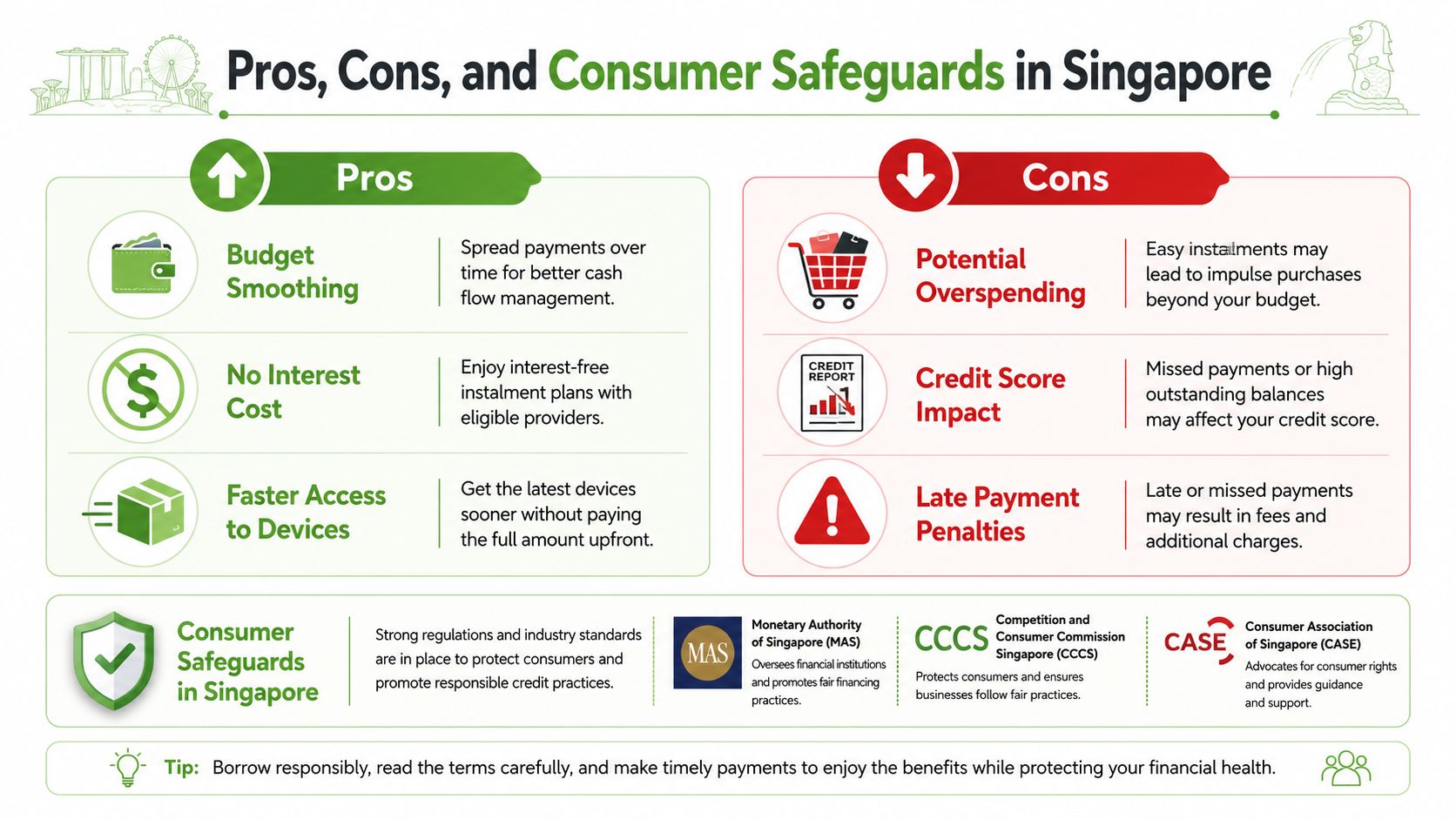
A zero interest installment plan can make a device easier to fit into a monthly budget. You get the phone or gadget now, then divide the cost into smaller payments instead of facing one large bill at checkout. That matters even more when the device includes warranty cover and a clear resale or reuse path, because the payment schedule should match the value you expect to get from the item.
The upside and the risk
The upside is simple. If you stay on schedule, you can spread the cost without paying interest, which keeps the total price easier to understand. The risk sits right beside it, because instalments can make a basket feel smaller than it really is, reduce credit headroom, and lead to late fees if payments are missed.
Singapore's regulator has pushed BNPL providers toward clearer disclosure, spending checks, and tighter handling of late fees for that reason. The point is to treat these plans as short-term installment credit, not as casual spending money Chicago Booth Review on Singapore BNPL framing.
myhalo's quality controls help on the device side of that equation. Every unit goes through 30 quality checks, the process is ISO 9001 Certified, the business is ISO 27001 Certified, and device pages include transparent grading and battery health disclosure. Those steps do not remove repayment risk, but they do lower the chance that a buyer stretches cash flow for a device that turns out to be a poor fit.
A 14-day exchange window gives the buyer a practical backstop if the product is not right. That matters because the best use of instalments is tied to predictable value, not impulse buying. For consumers and SMEs, the mix of trade-ins, Certified ReLoved stock, and responsible recycling is less about marketing language and more about better resource use, lower replacement cost, and stronger device lifecycle value.
Frequent Questions Before You Check Out
If you're comparing a 0% plan with myhalo's 14-day exchange policy, the instalment schedule doesn't cancel the exchange right away, but you should keep the order and payment terms handy in case you need to act quickly. Certified ReLoved and Certified Surplus stock can still make sense with instalments, as long as the product page shows the relevant payment option and you're comfortable with the device grade.
The 30-point quality checks are there to reduce guesswork on condition, while ISO 9001 supports process consistency and ISO 27001 supports information security controls. Delivery timing in Singapore depends on stock and fulfilment, so check the order page before you confirm. If you're ready to compare device options, payment terms, and warranty-backed choices in one place, visit myhalo and choose the device that fits both your budget and your monthly cash flow.